80 year old Mike Crowley, the former Tacoma mayor who championed the Museum of Glass, the Foss Waterway redevelopment, and an expansion of the Tacoma Art Museum, died on July 13, from heart failure.
Crowley joined the Tacoma City Council in 1994 and was appointed mayor in 2001 after then-Mayor Brian Ebersole stepped down to lead Bates Technical College.
Before politics, Crowley owned Dahnken's, a jewelry store in downtown Tacoma. A lifelong Tacoman who never lived anywhere else, he watched the city's urban core hollow out after the Tacoma Mall opened in 1965 and ran for council to reverse the decline, according to The News Tribune.
His colleagues credit him with helping secure donations that funded the $48 million Museum of Glass, which opened Saturday, July 6, 2002, on the banks of the Thea Foss Waterway.
The waterway had been listed as a Superfund site in 1983. Its redevelopment, driven by the Foss Waterway Development Authority established in 1996, attracted more than $250 million in investment, including the Chihuly Bridge of Glass and Thea's Landing, according to an EPA case study.
Crowley worked closely with former City Manager Ray Corpuz, former council member Kevin Phelps, and the late former council member Paul Miller.
The four maintained an annual Christmas dinner tradition since 1998, sometimes catching flights to make it happen.
Phelps described Crowley as someone who cared about the city immensely, even when they disagreed on policy. He called Crowley "the glue" that held their group together.
Crowley's daughter, Alisa Keolker, told The News Tribune she felt proud of the accomplishments made downtown, saying her father worked tirelessly. His son, Michael Crowley, said he believes much of what Tacoma sees along the waterfront came through his father's and others' efforts.
The Downtown Tacoma Partnership issued a statement mourning Crowley's passing, calling him a lifelong Tacoman whose leadership helped shape the city's downtown.
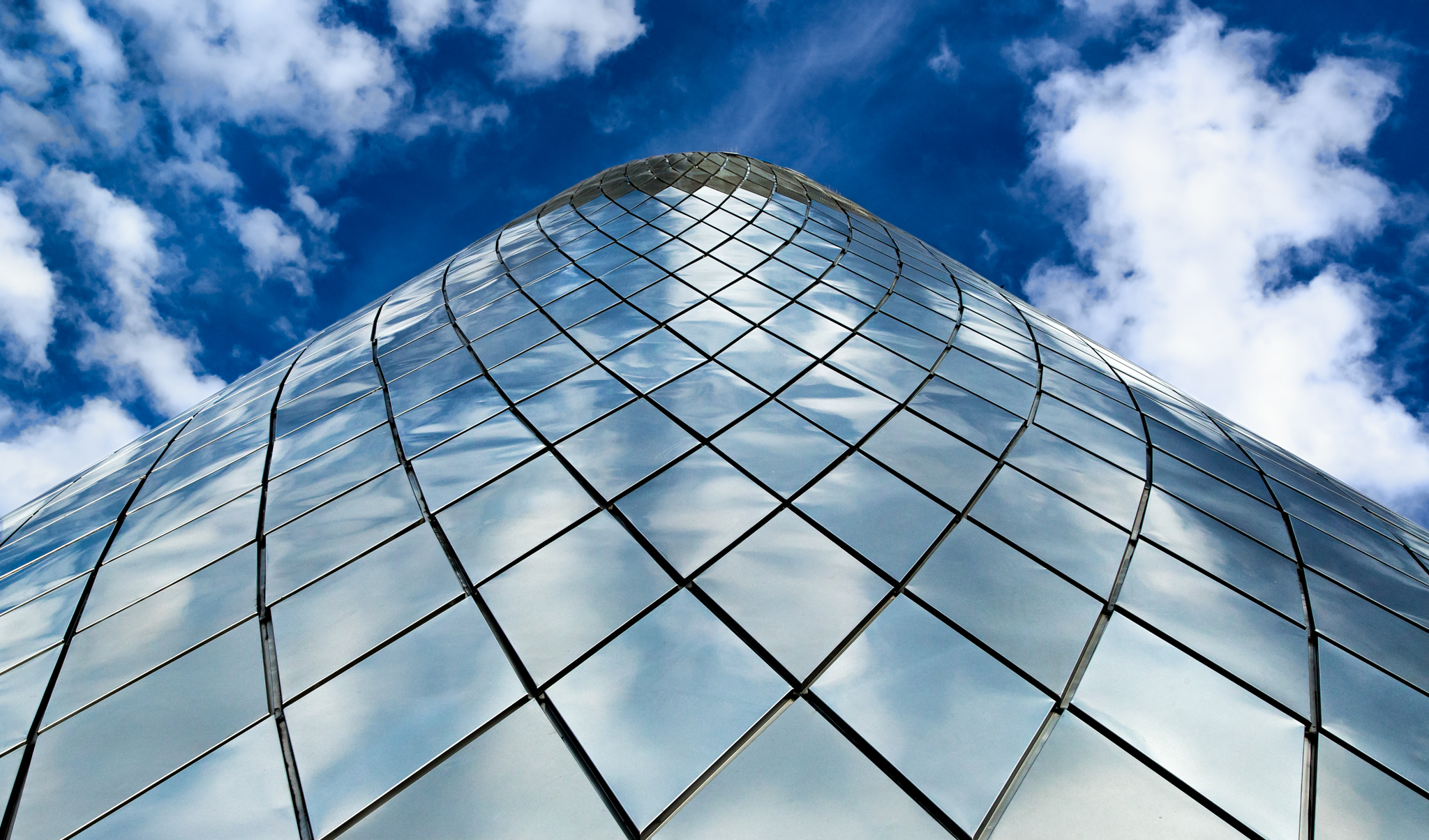
The Museum of Glass cone, designed by Canadian architect Arthur Erickson, still rises above the waterway.
According to the museum's fact sheet, it symbolizes Tacoma's transformation from an industrial center to a cultural one. The museum welcomes more than 100,000 visitors each year.