A federal proposal to repeal the 2001 Roadless Rule could open 86,000 acres of Olympic Peninsula forest to road building. The change threatens University of Puget Sound research and student backcountry recreation across the region.
The U.S. Department of Agriculture (USDA) proposed rescinding the Roadless Area Conservation Rule on Aug. 24, according to a Pew Charitable Trusts statement. The rule limits new road construction and timber harvesting on about 44.7 million acres of national forest land in 37 states. In Washington, about 2 million acres are at stake.
The comment period closed Oct. 6. The USDA will review submissions before making a final decision, expected in 2027, Pew reported.
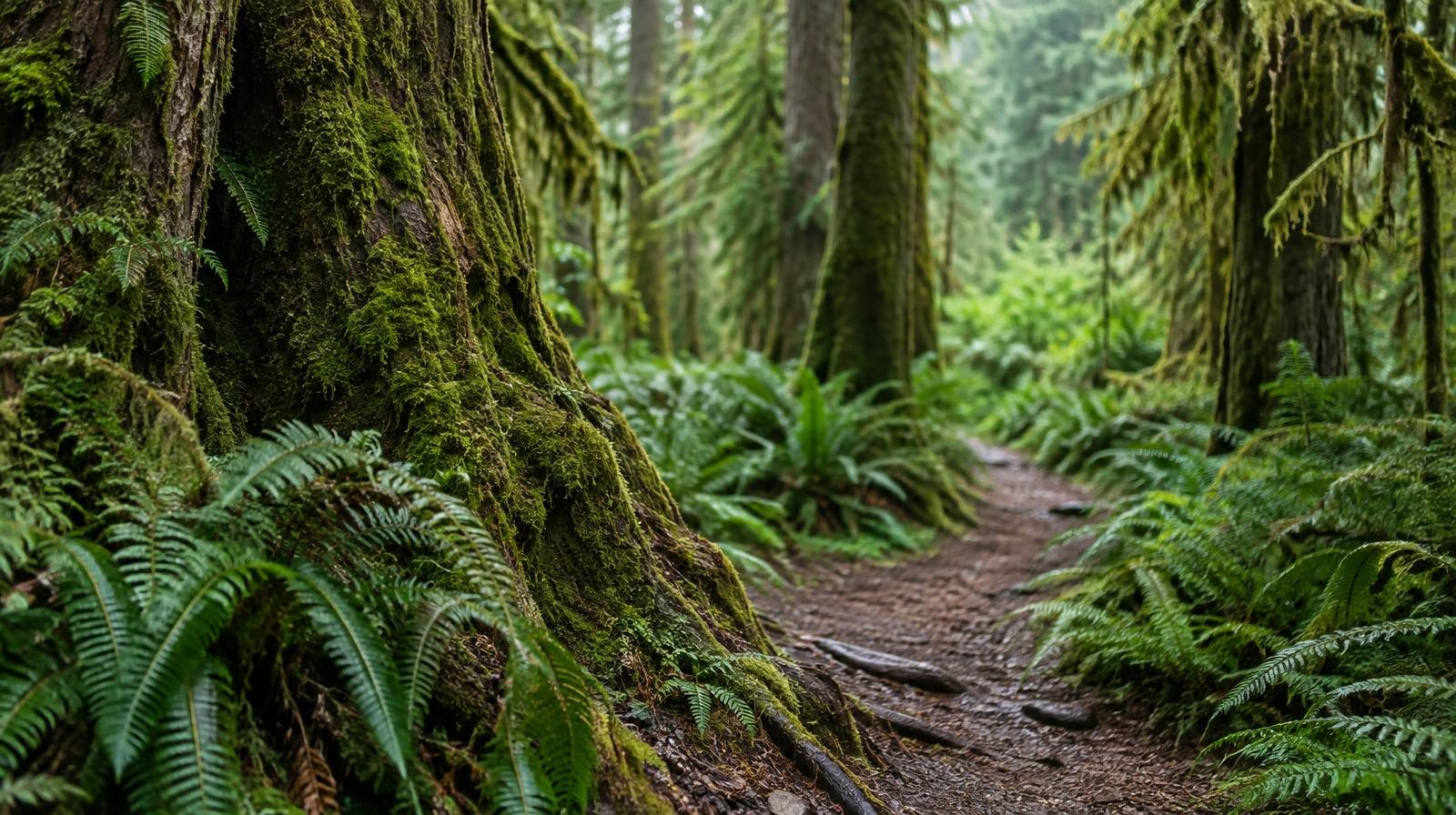
Carrie Woods, a professor of biology at UPS, conducts research on the Olympic Peninsula, where those 86,000 acres carry roadless protections. She told The Trail, the university's student newspaper, that roads create forest edges that raise temperatures, increase wind and drought stress, and heighten fire risk.
Woods studies forests she says are not well enough understood for restoration to work once logging begins.
"If we keep fragmenting our forests, we will drastically change them," Woods told The Trail. "And we are naive to think that we know enough to recover them."
She warned that large predators such as bears, wolves and cougars need unbroken territory. Fragmenting habitat could drive local extinctions and disrupt entire food webs, she said.
The Forest Service's draft environmental impact statement, released Aug. 20, found that repealing the rule would "likely to adversely affect" 327 species listed under the Endangered Species Act and 71 critical habitats. The analysis also projected an annual loss of $6.1 million in recreation-related economic benefits nationally, Pew reported.
Student recreation would take a hit too. Reggie Westgate, a UPS senior in the class of 2027 and Puget Sound Outdoors (PSO) leader, told The Trail that the repeal would affect backpacking, climbing, mountain biking and skiing trips the group runs in roadless areas.
Recent PSO trips included climbing in Leavenworth, backpacking on the Dosewallips River and day hikes to Mount Elinore, Lake Cushman and Lena Lake.
"Roadless is that sort of in between for a lot of these activities that you can't do in wilderness, but you also can't do in a city park," Westgate told The Trail.
The proposal drew broad public opposition. An analysis by More Than Just Parks counted nearly 1.2 million comments, letters and signatures submitted during the 2026 comment period. More than 99% opposed the repeal. Only 2,137 supported it.
In a Sept. 3 letter to Agriculture Secretary Brooke Rollins and Forest Service Chief Tom Schultz, U.S. Sen. Maria Cantwell and 39 other senators urged the administration to halt the repeal, as Pierce Prairie Post reported.
A University of Washington study published July 15 in PLOS Water found that the Roadless Rule protects more than 80,000 miles of rivers in the continental U.S. and supports drinking water for 25 million Americans, according to UW News.
The Forest Service already faces a $6.9 billion backlog for road and bridge maintenance. A new dirt road costs $80,000 to $100,000 per mile, Pew reported.
The USDA's final decision on the repeal is expected in 2027.