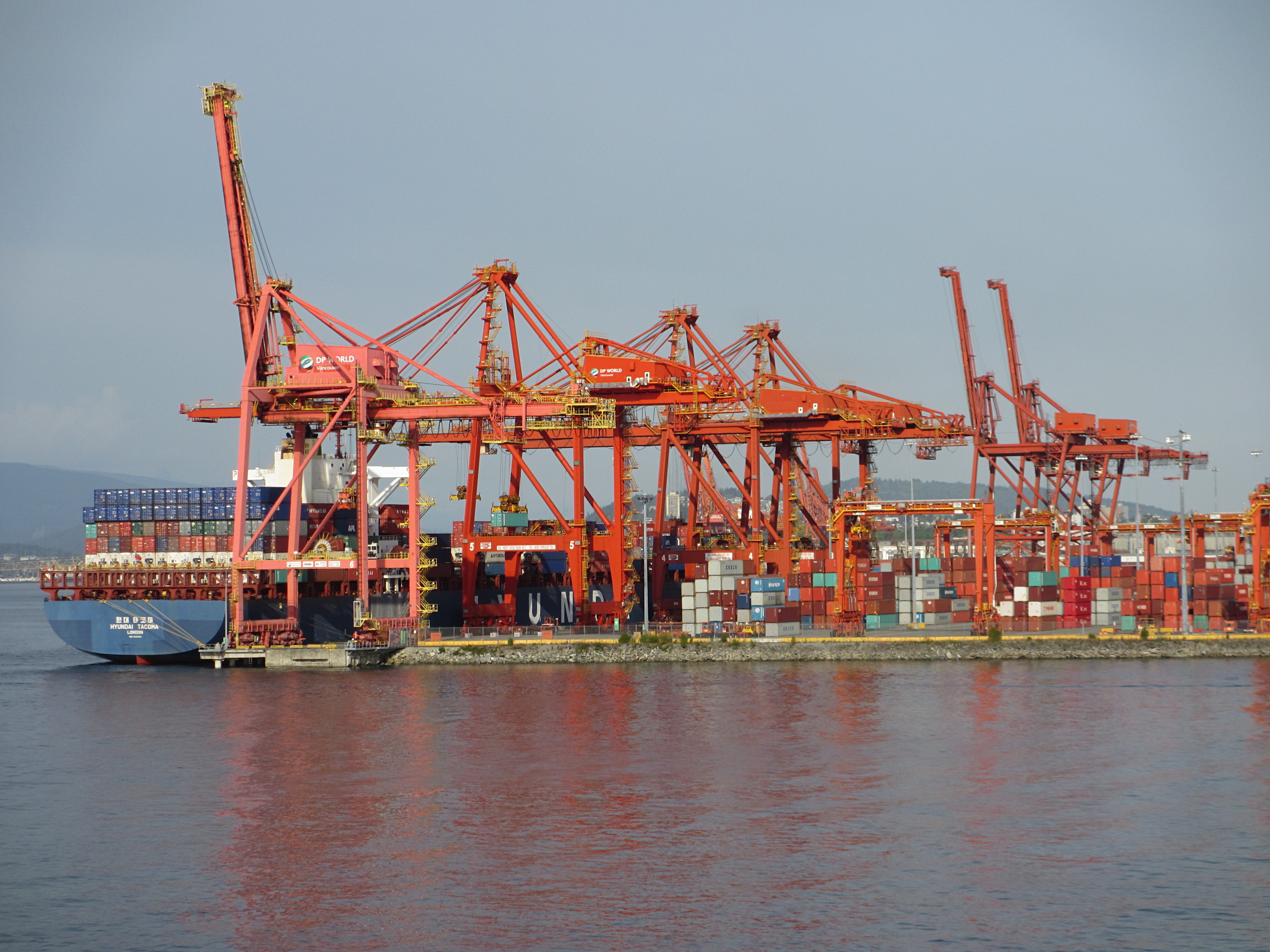
Residents near Tacoma's Tideflats could see less diesel exhaust from the Port of Tacoma's East Blair One Terminal by 2028, after the Northwest Seaport Alliance announced it is swapping out its heaviest-polluting diesel forklifts for electric replacements funded in part by a $2.6 million state grant.
The NWSA published a public notice in the Tacoma Daily Index on July 30, disclosing the deployment of electric forklifts and charging infrastructure at EB-1.
The money comes from a WSDOT Port Electrification Grant, itself funded through Washington's Climate Commitment Act cap-and-invest program.
What's being replaced
The alliance purchased its first electric forklift for EB-1 in November 2025: a Kalmar model that lifts 36,000 pounds and runs eight to ten hours on a single charge.
That unit, including charging equipment, cost approximately $236,000, according to the Port of Tacoma.
The full $2.6 million grant will fund at least three additional zero-emission forklifts and associated charging infrastructure beyond that first unit, according to an NWSA newsletter.
A WSDOT report lists the grant at $2,638,030 for "zero emissions cargo handling equipment and charging infrastructure." The total project cost, including any NWSA match, has not been disclosed.
In a Port of Tacoma video released in November 2025, an EB-1 terminal worker described the transition: "Your emissions are down. We're not changing oils, we're not doing that kind of stuff. We learn as we go. So it's working out."
Why it matters for Tideflats residents
About 50,000 people live within the Tideflats Study Area surrounding the port. The Washington Department of Ecology has designated Eastside Tacoma as a community overburdened by air pollution, and residents there have higher rates of asthma-related emergency department visits than Pierce County overall, according to a Tacoma-Pierce County Health Department assessment published in August 2025.
Diesel is the core problem. That assessment found 85% of cancer risk from air pollution in the Tideflats comes from diesel particulate matter. A 2023 Puget Sound Clean Air Agency study found that roughly 65% of the area's diesel pollution originates from maritime and port-related sources.
Broader electrification push
The forklift project is one piece of a larger shift. In late 2025, the NWSA also received $80,000 from the Department of Ecology's "Charge Where You Are" program to install Level II chargers supporting up to 12 electric vehicles in the port's fleet at EB-1.
Through a separate EPA Clean Ports Planning Grant, the alliance is developing zero-emission plans for both East Blair One and Washington United Terminal, with a goal of transitioning all on-terminal equipment to zero-emission by 2050 or sooner. The NWSA's broader target is to eliminate all emissions under its direct control by 2040.
What happens next
The public notice lists a 2028 completion target for the forklift and charging infrastructure project. No public comment period or community meeting was announced. The NWSA's Managing Members adopted a Clean Air Implementation Plan for 2026–2030 in January 2026.