Tacoma's Museum of Glass will digitize more than 400 miniDV tapes of visiting artists before the footage degrades beyond recovery.
The museum received a $48,124 grant from the Council on Library and Information Resources (CLIR) Recordings at Risk program, according to a CLIR announcement in August. The Mellon Foundation underwrites the program. Work on the yearlong project began Sept. 1.
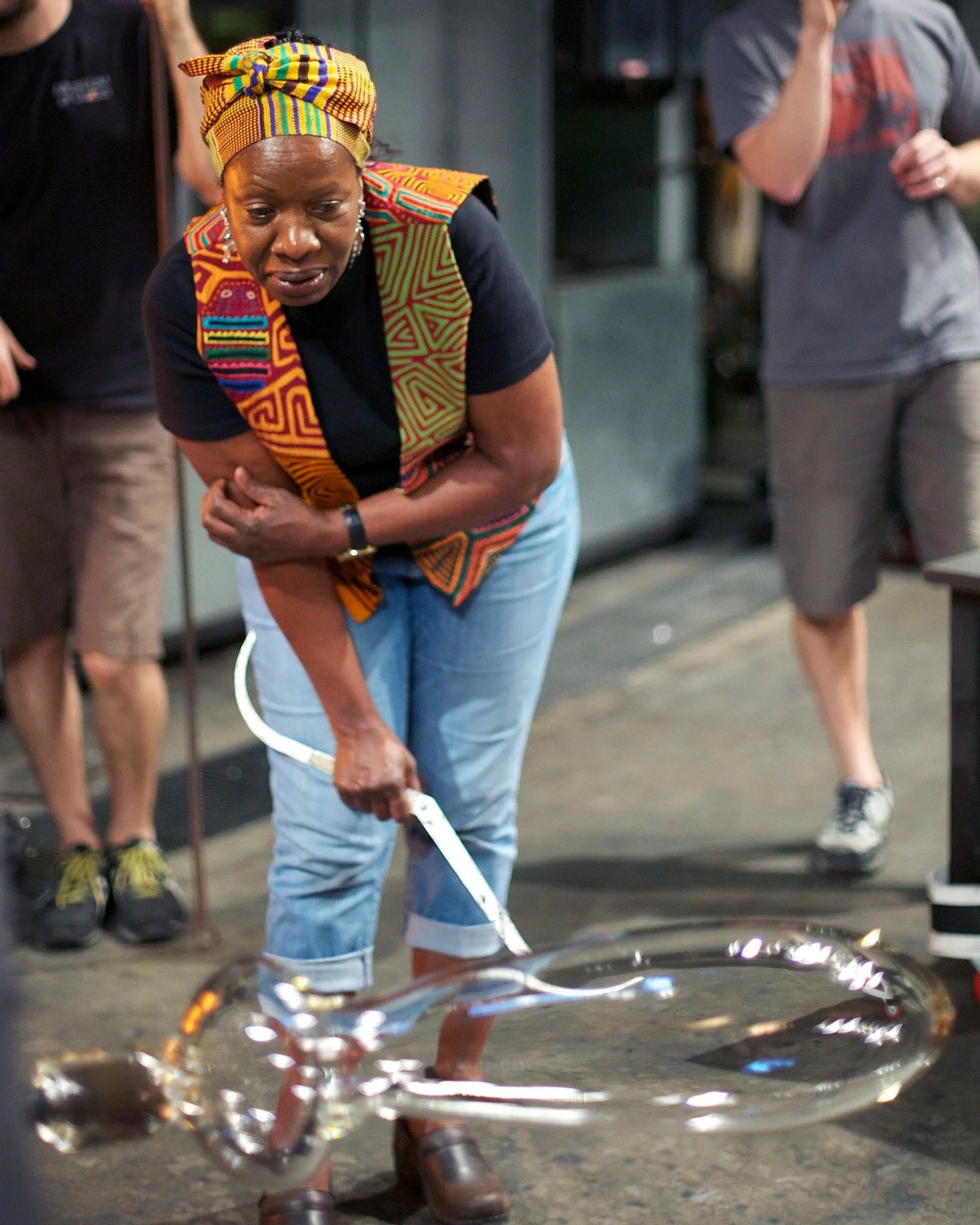
The tapes capture artists working in the museum's Hot Shop. They feature Lino Tagliapietra, Preston Singletary, Mildred Howard, René Roubíček, Martin Blank, Maya Lin, Nancy Callan and Kazuo Kadonaga, the museum said in a blog post by Marie Williams Chant, the museum's digital archivist.
Magnetic tape has a predicted life expectancy of 20 to 30 years, according to Moving Image Preservation of Puget Sound (MIPoPS), a Seattle-based audiovisual preservation group. Less-than-ideal storage conditions can shorten that window. In a November 2025 blog post, the museum said some footage, as young as eight years old at the time, had already become unreadable because of file corruption and changes in technology.
MIPoPS will handle the tape transfers. The Seattle organization has developed specialized tools for preserving DV tapes and has partnered with cultural heritage organizations to preserve tape-based collections. Chant wrote that recent technology changes have made it harder to move DV content from tape to computer, making the partnership essential.
The tapes hold some standout moments. They include extended footage of Martin Blank's 45-day residency in 2008, when he created the installation Fluent Steps outside the museum's entrance. Czech glass artists René Roubíček and Petr Novotný made bowls, vases and freely formed objects from colored glass in 2006. Ceramicist Magdalene Odundo explored fused glass in 2011. Footage of Tagliapietra in Venice in 2007 and Singletary in Alaska was shot for exhibition projects.
The museum launched a digital archives program in 2023 with funding from the M.J. Murdock Charitable Trust and the Institute of Museum and Library Services (IMLS). The curatorial team has spent years inventorying and assessing the collection.
The CLIR grant was one of 24 projects selected from 94 applicants in the program's 13th funding cycle. The full round totaled $993,170. CLIR President Charles Henry said in the August announcement that the program ensures recorded history remains "a living resource for the communities they represent, rather than artifacts lost to time."
As the museum approaches its 25th anniversary in 2027, it plans to launch a public digital collections database on its website. The database will let users search for artists, artworks, residencies and exhibitions from the museum's history.