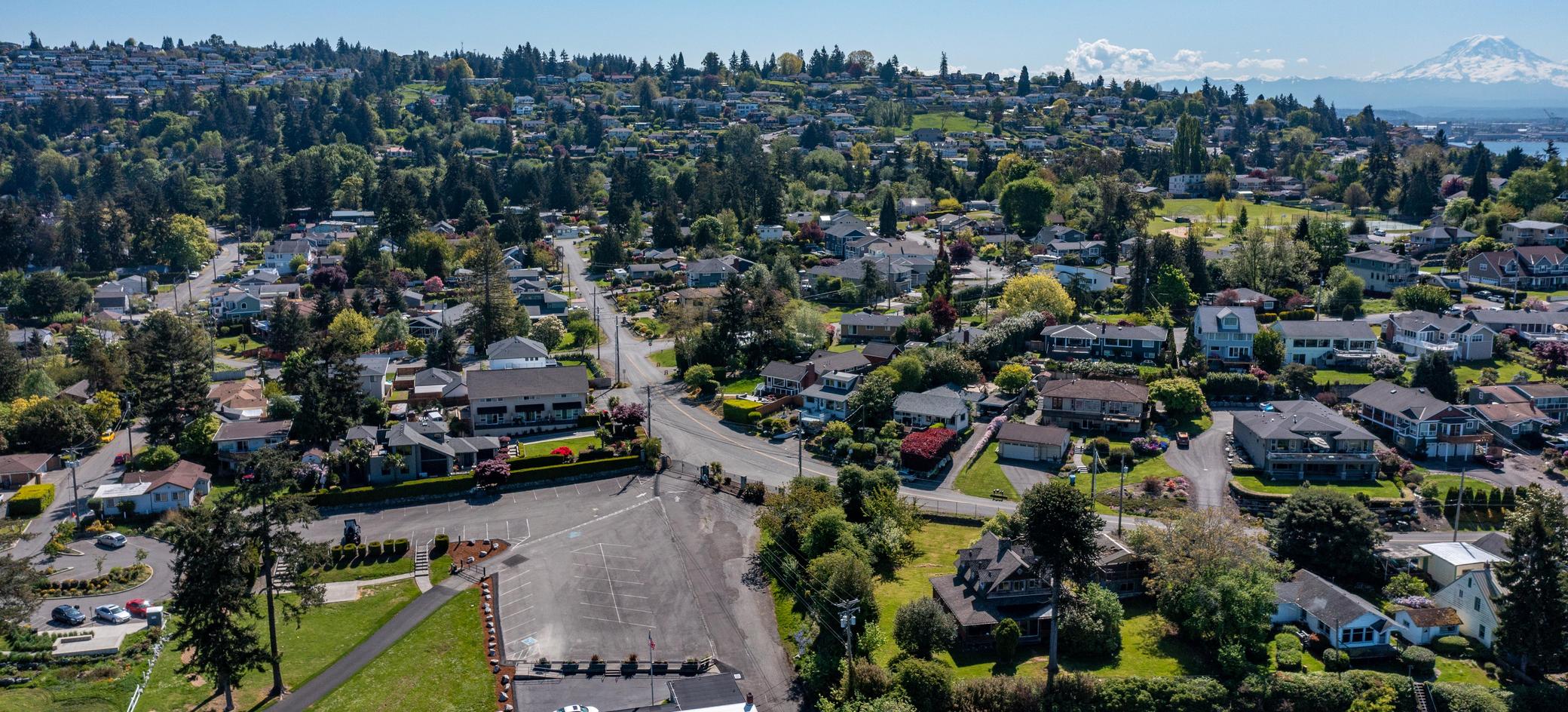
Tacoma ratepayers are not facing water shortages or service disruptions in summer 2026, even as Washington endures its fourth consecutive year of statewide drought.
Caroline Mellor, statewide drought lead with the Washington Department of Ecology, told the Seattle Times that utilities serving larger communities like Seattle, Everett and Tacoma have so far avoided the worst.
Smaller utilities have fared worse. One district in Clallam County was forced to truck in drinking water.
The contrast is stark. More than 71% of Washington's land area sits in moderate drought, and another 25% faces severe drought or worse, according to the U.S. Drought Monitor.
Seven of the past 10 years have brought drought to parts or all of the state.
How Tacoma planned ahead
The Department of Ecology declared a statewide drought emergency on April 8, noting that Tacoma, Seattle and Everett water utilities had planned for drought conditions early in the winter and did not anticipate impacts for their customers.
The declaration allows Ecology to make up to $3 million available in drought emergency response grants.
Tacoma Power, the utility's hydroelectric arm, entered summer 2026 with reservoir levels near average despite a punishing dry spring, according to NASA.
The utility's largest project stores water behind Mayfield and Mossyrock dams on the Cowlitz River, generating enough electricity to serve more than 151,000 homes each year. Peak daily inflow from April through June was among the lowest on record.
Saul Villarreal, Tacoma Power's senior hydro operations manager, said the utility used seasonal forecasting tools to keep reservoirs higher than usual during spring.
"The earlier we understand how conditions might change, the more effective planning we can do to manage our reservoir and balance the many demands of our system throughout the season," Villarreal said.
The numbers behind the drought
The state received 104% of normal precipitation between October 2025 and February 2026, but too much fell as rain instead of snow. Statewide snowpack as of late March was the fourth lowest in 40 years.
On the Cowlitz River watershed that feeds Tacoma Power's dams, snowpack sat at just 20% to 50% of normal levels.
Statewide temperatures over that same October-to-February stretch were the third highest on record, going back to 1895.
Deputy state climatologist Karin Bumbaco said new modeling shows Washington can expect a snowpack drought about seven years out of every decade. A snowpack drought means less than three-quarters of the state's typical water supply.
What Tacoma residents see now
The city issued a Stage 2 burn ban effective Aug. 17, citing worsening dry conditions, ongoing drought and increased wildfire risk. The ban was ordered in consultation with the Pierce County Fire Marshal and local fire chiefs.
Four years of drought have rippled across the state through wildfires, crop damage, poor salmon runs and higher electric rates, the Seattle Times reported.
Looking ahead
The Climate Prediction Center forecasts higher-than-normal temperatures statewide through November and mostly below-normal precipitation. A forecast "super El Niño" raises the chance of another warm winter, the Seattle Times reported, which would further erode the snowpack Washington depends on.
Tacoma Water, which serves more than 350,000 people across Pierce and King counties, has also positioned itself for the long term. The Tacoma City Council approved an agreement in March 2025 to supply up to 24 million gallons a day to the Cascade Water Alliance starting in 2041. TPU Board Chair John O'Loughlin said in March 2025, when the council approved the deal, that it would put Tacoma Water "in a much safer, stronger position" against whatever conditions the latter half of the century brings.
The drought declaration remains in effect, with no end date announced.